Navigating AI-driven engineering systems
Analyzing the emergence of Artificial Intelligence to architect scalable, resilient, and intelligent engineering infrastructures.
The Lab
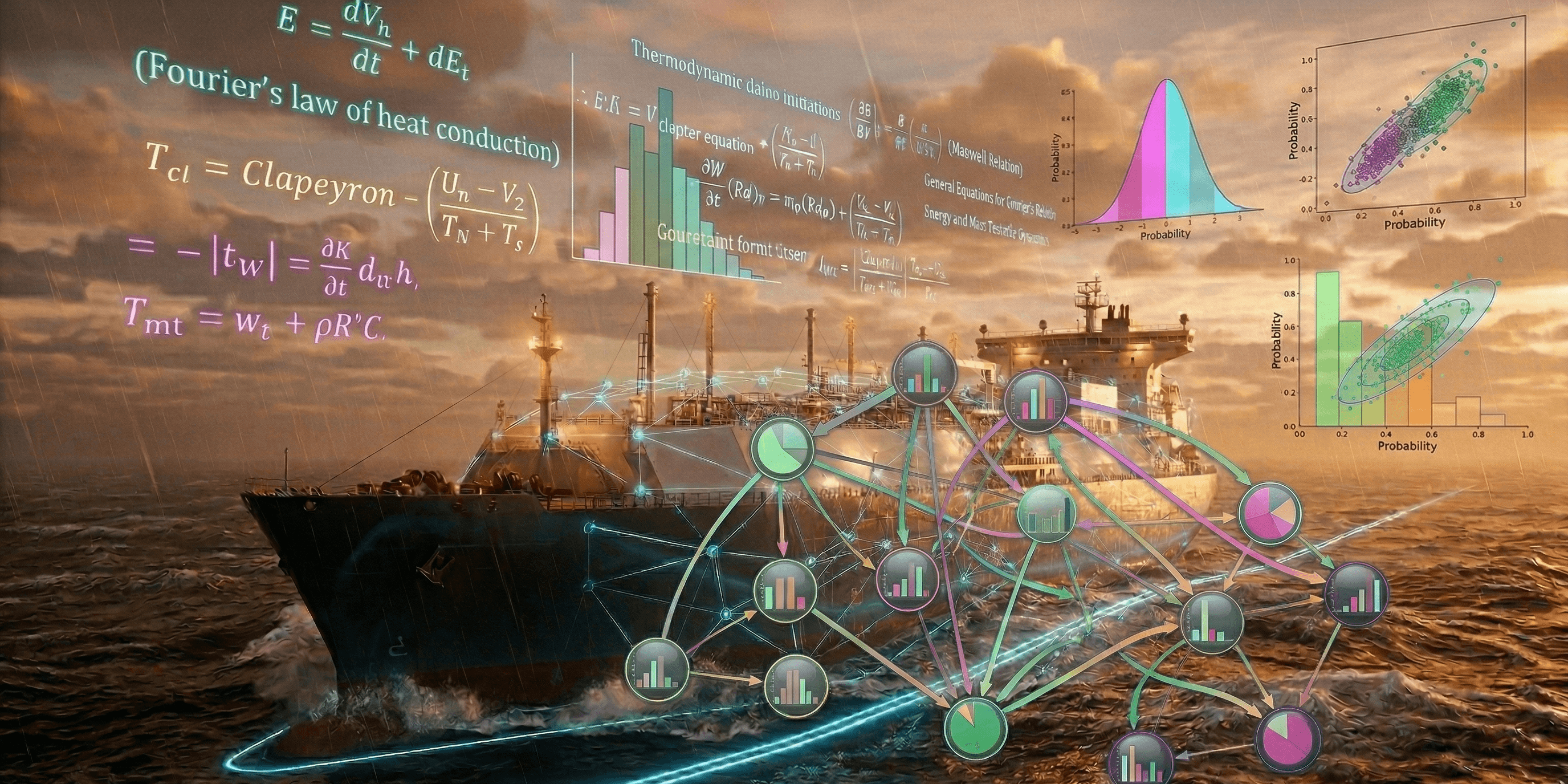
HydroGNN-Bayes: LNG BOG Physics Engine
Real-time PINN thermodynamics engine for LNG Boil-Off Gas (BOG) prediction on GTT Mark-III tanks. By solving Fourier heat conduction and Clapeyron phase-change equations, the model calculates how dynamic environmental factors (SST, wave height, wind) drive thermal ingress (Q) into the cryogenic cargo, accurately simulating the daily evaporation rate. Includes a proposed ST-GNN + Bayesian architecture to predict these non-linear dynamics under route-aware uncertainty.
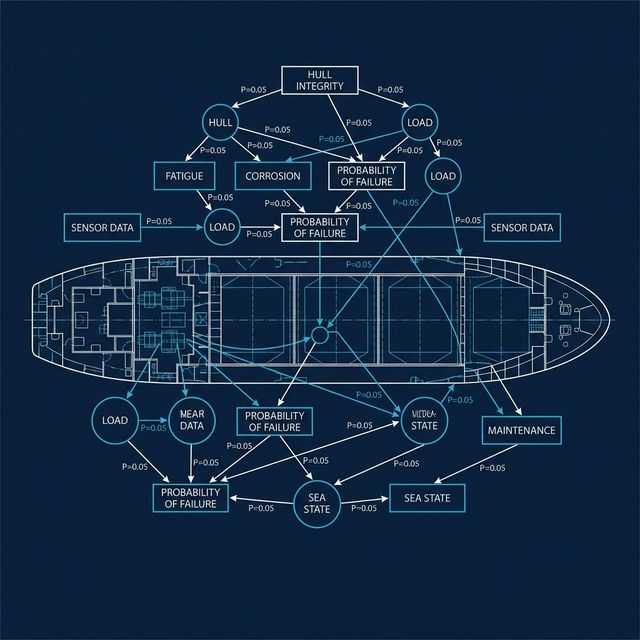
Ship Grounding Risk Assessment
Advanced Quantitative Risk Assessment (QRA) platform leveraging Dynamic Bayesian Networks (DBNs) and Noisy-OR causal logic (Pearl 1988). The engine employs Kahn's topological sorting and BFS-based belief propagation to model the complex multi-physics interactions between structural breach, sequential compartment flooding, and non-linear stability (GZ) degradation under stochastic operational conditions.
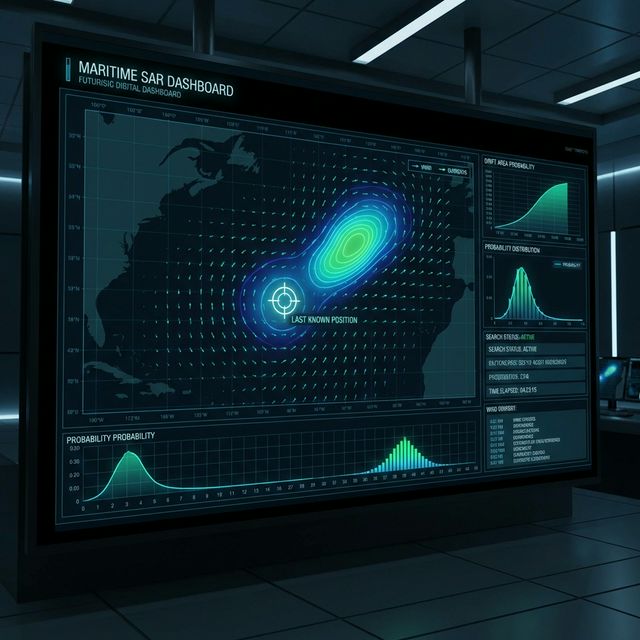
Bayesian SAR Orchestrator
In the critical moments following vessel abandonment, traditional search patterns often fail to account for the dynamic complexity of maritime environments. This project bridges the gap between Naval Architecture and AI System Design by deploying a Dynamic Bayesian Network to infer survival craft trajectories. By synthesizing real-time atmospheric data with high-fidelity leeway coefficients, the engine generates an evolving probability heat map, significantly compressing search windows and optimizing life-saving asset deployment.

AI Research Lab
An architect's exploration into the intersection of naval engineering and artificial intelligence. This lab showcases experimental prototypes, deep learning architectures, and a journey into data-driven maritime solutions.
Insights
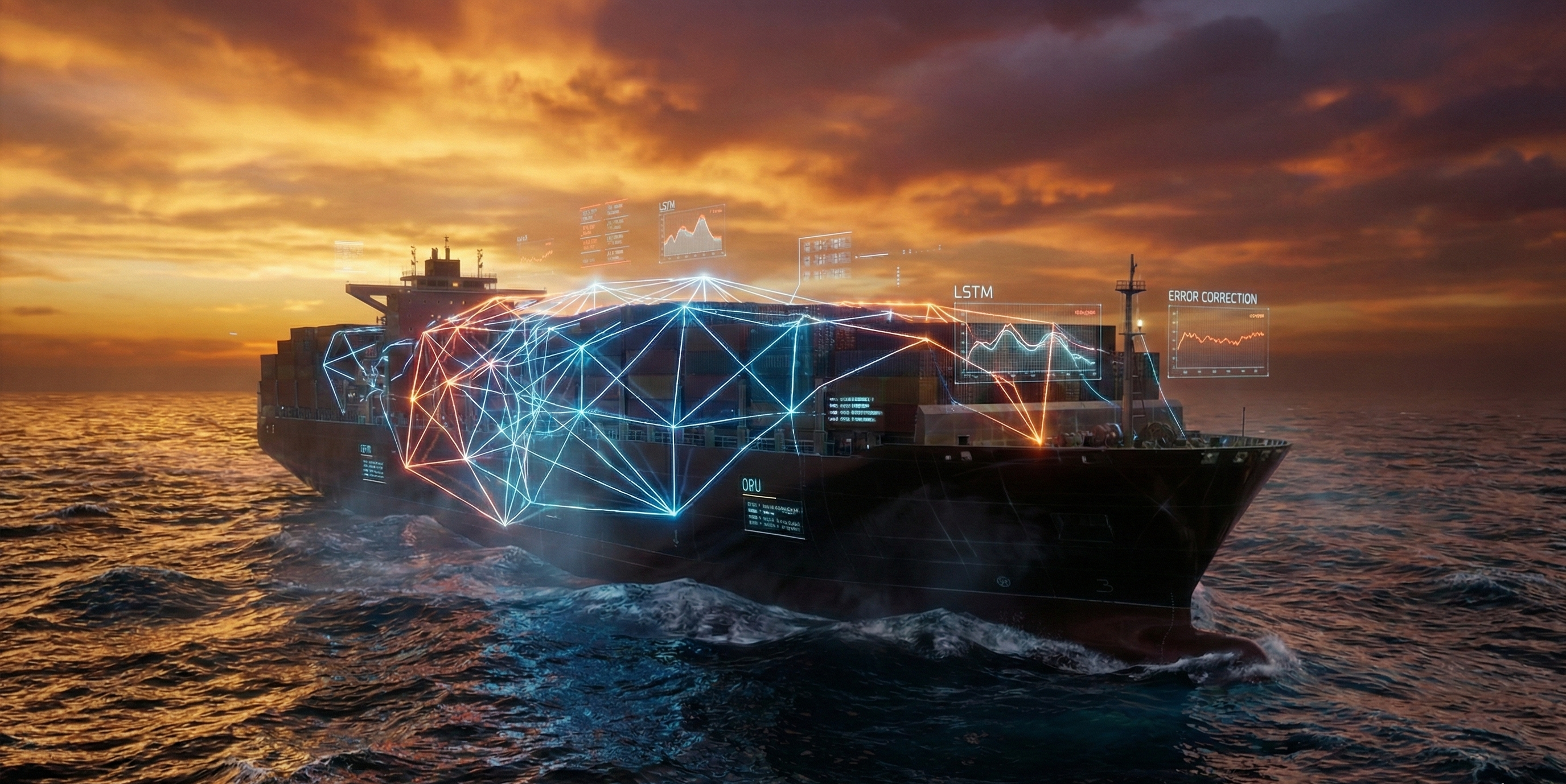
Deep Learning for Ship Hull Load Prediction
Revolutionary implementation of RNNs (LSTM/GRU) and a novel Error Correction Strategy to predict wave-induced hull girder loads in real-time. By leveraging ship motion data instead of physical strain gauges, the system achieves up to 48% accuracy improvement in complex sea states.
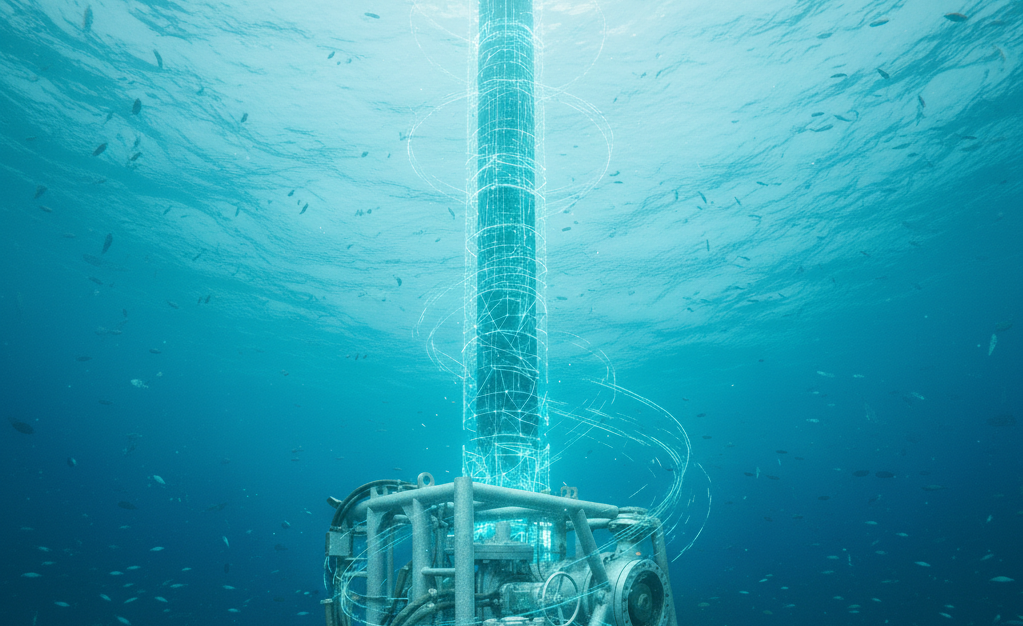
Digital Twin for Riser Fatigue Monitoring
Novel Digital Twin methodology using minimal sensors and machine learning to estimate fatigue damage in deep-water risers. Validated against extreme conditions in the Guyana Sea and Gulf of Mexico, achieving high-fidelity results (5-10% error) while significantly reducing subsea instrumentation costs.
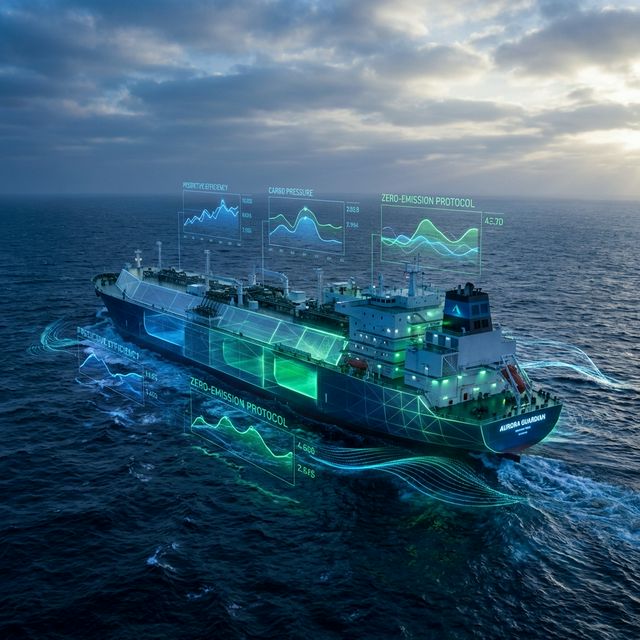
Emissions Reduction in LNG Shipping
Technical analysis of how predictive machine learning models for cargo tank pressure can reduce GHG emissions by up to 86% during rough sea voyages. This study demonstrates the power of data-driven 'proactive' strategies over traditional reactive operations.
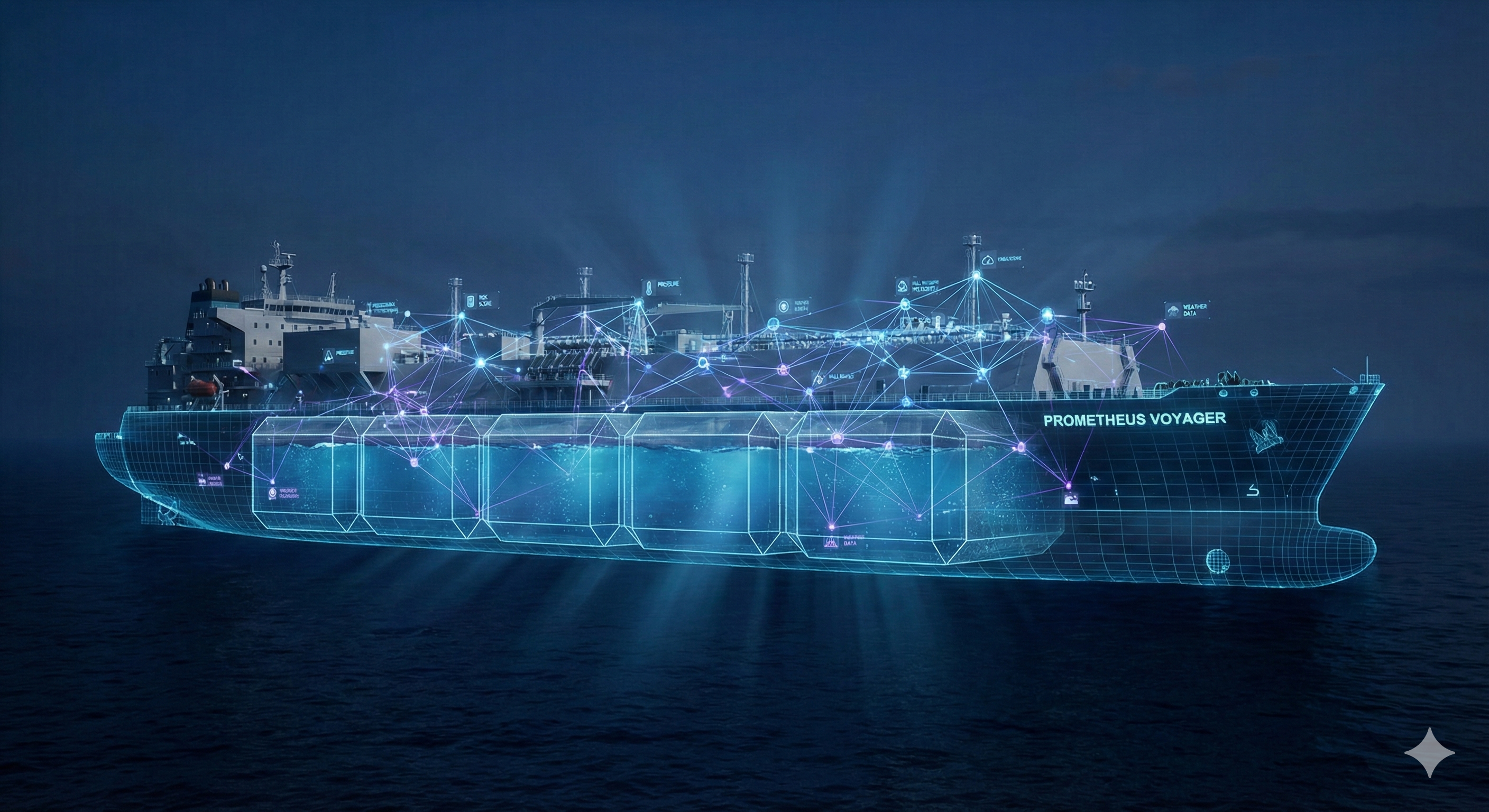
Graph-Based LNG Inspection Intelligence
Implementation of a Knowledge Graph (KG) and PT-KGCN model for Port State Control (PSC) inspections. Using Graph Convolutional Networks and NLP (RoBERTa), the system achieves 87% accuracy in predicting ship deficiencies, transitioning inspections from static checklists to dynamic, risk-based intelligence.
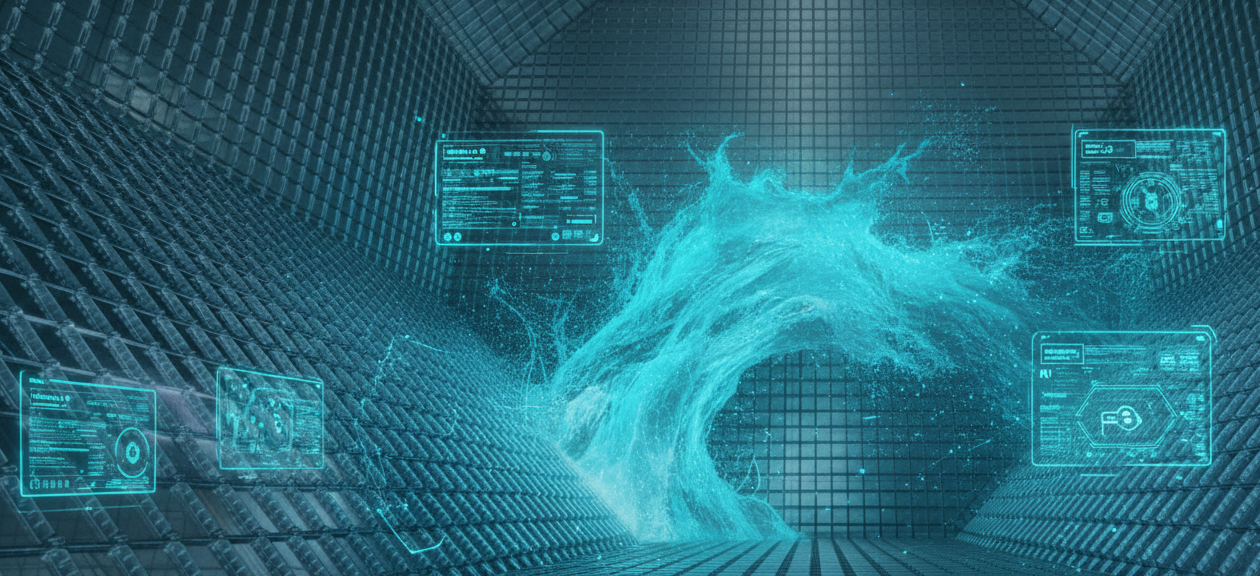
Taming Sloshing with Neural Networks
An analysis of how deep Artificial Neural Networks (ANNs) and immense experimental databases can predict extreme sloshing loads in LNG carriers, revolutionizing preliminary ship design and replacing costly physical model tests.
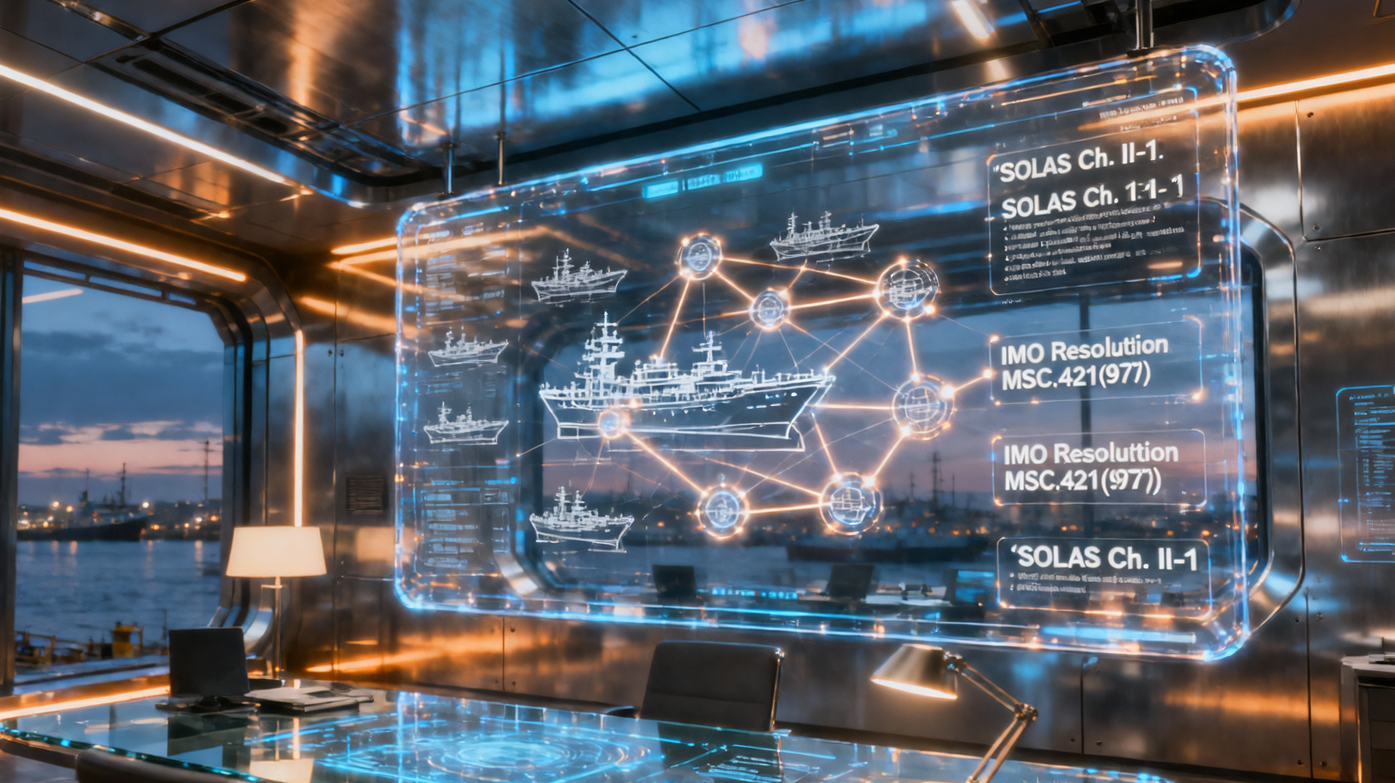
AI Semantic Search for Maritime Regulations
Development of a RAG-based Q&A system for international ship regulations. Using domain adaptation (GPL) and contrastive learning, the engine achieves 94% accuracy in retrieving complex maritime rules, equations, and tables while running entirely offline on consumer hardware.
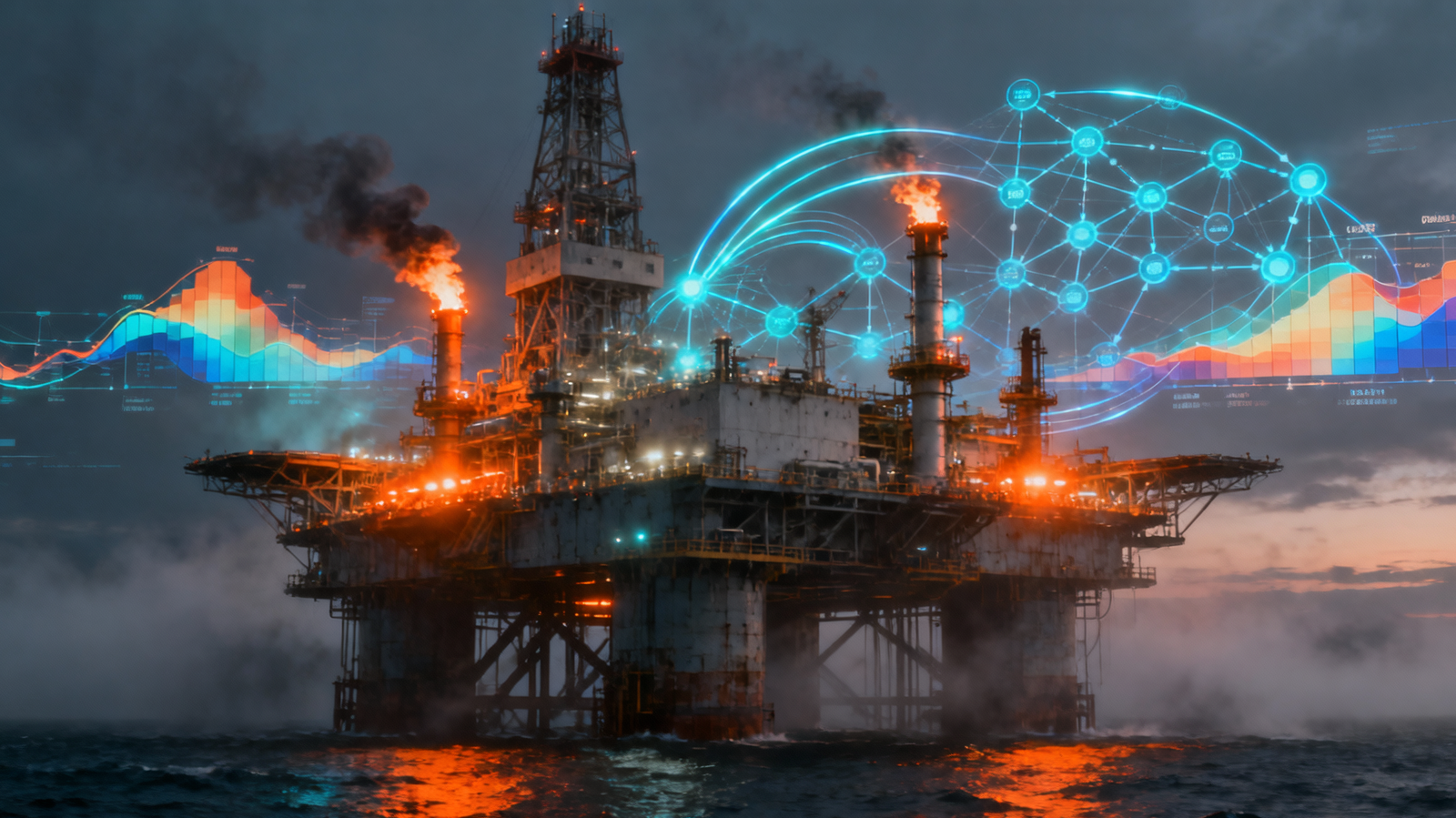
Dynamic Risk Assessment in Offshore Platforms
Technical study on DQRA using the DEMATEL-BN method to evaluate accidents induced by leakage. The framework transitions from static failure probabilities to dynamic updates, uncovering hidden organizational interdependencies and modeling safety barrier dependencies with high precision.